Methane Monitoring and Compliance
Regulatory updates, operational guidance, and technology explainers for energy operators managing continuous emissions monitoring and LDAR programs.

What the EPA OOOOb Final Rule Means for Midstream Operators in 2026
The final rule expands continuous monitoring requirements. Here is what your compliance calendar needs to look like.

Walk-Down LDAR Surveys Are Not Enough Anymore
Scheduled OGI walk-downs leave a 60-90 day gap between inspections. That gap is where leaks become fines.
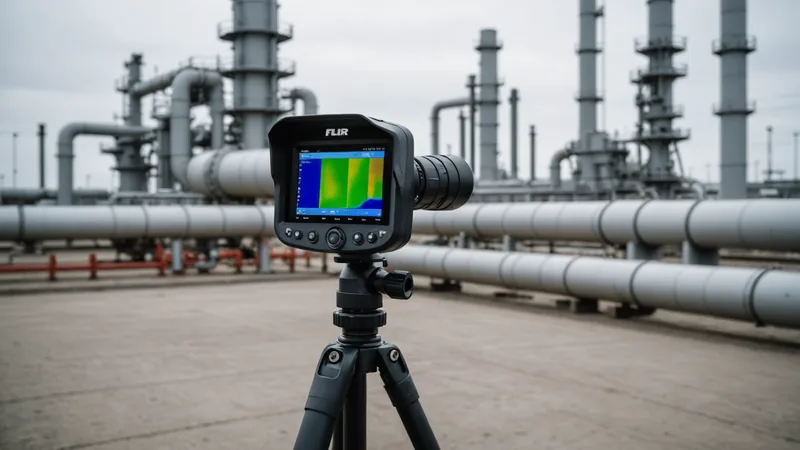
OGI Surveys vs. Continuous Monitoring: What the Data Shows
When we compared detection latency between periodic OGI surveys and always-on sensor arrays across pilot sites, the gap was not close.
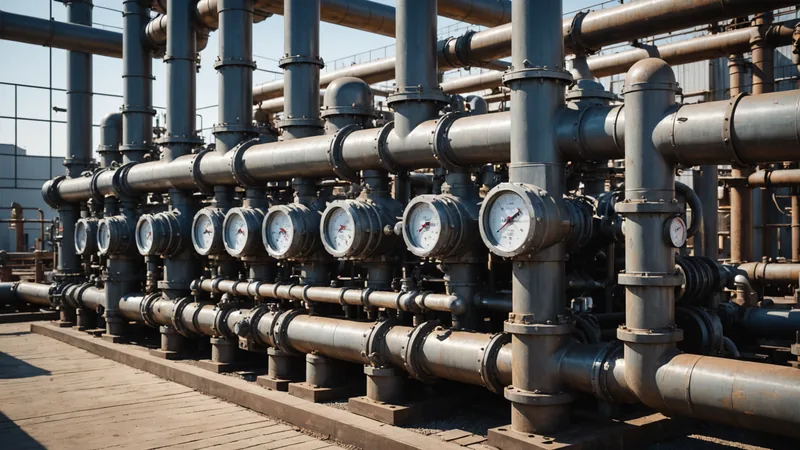
The Blind Spots at Compressor Stations That LDAR Programs Keep Missing
Compressor seal faces, instrument gas vents, and rod packing leaks follow patterns that scheduled surveys consistently miss.
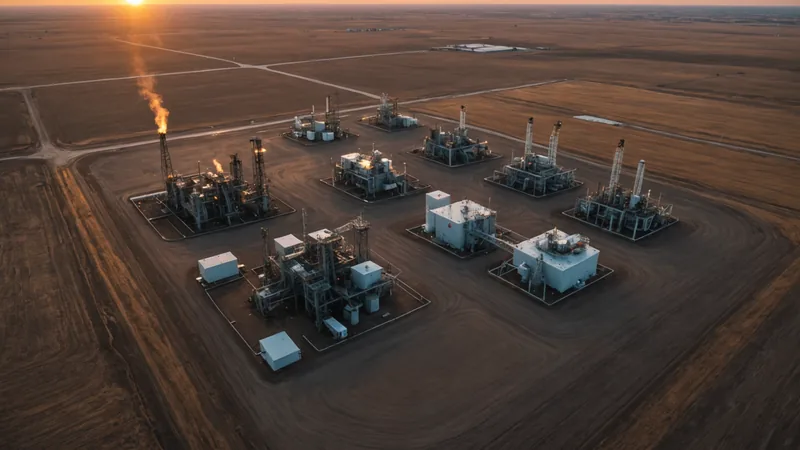
The Real Cost of a Missed Methane Leak: Fine Plus Lost Product
EPA penalties get the headlines, but undetected leaks are also burning your product value at the wellhead every day they go unrepaired.
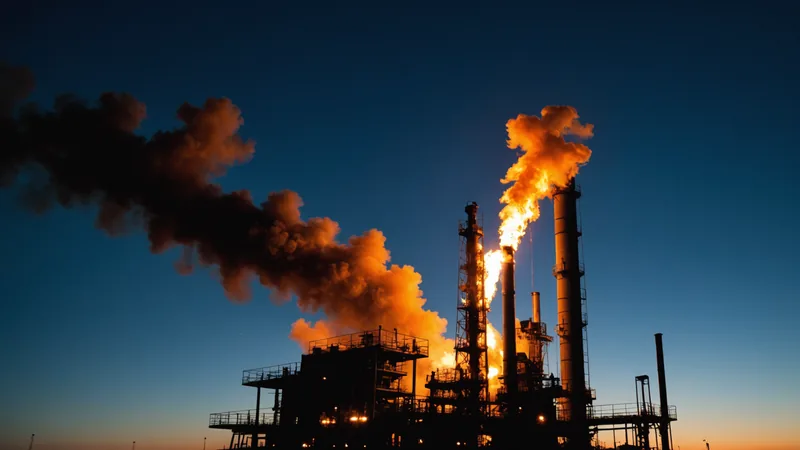
Building a Superemitter Response Plan That Satisfies EPA Inspectors
EPA OOOOb defines superemitter response obligations. Having a documented, time-stamped response workflow is not optional.
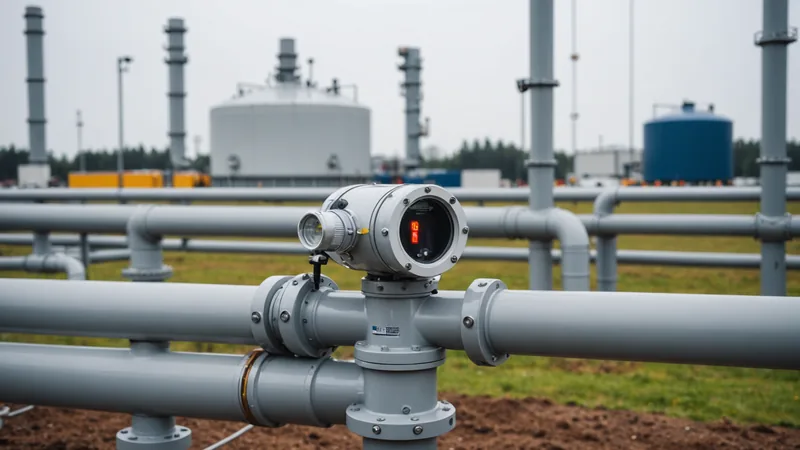
From Sensor Alert to Repaired Valve: Closing the Loop on Fugitive Emissions
Detection without dispatch is just data. How automated work order generation turns a sensor alert into a fixed fitting.

Methane Reduction Credits: What Operators Need to Document to Qualify
Voluntary carbon markets are increasingly valuing verified methane reductions. Here is the documentation baseline you need.
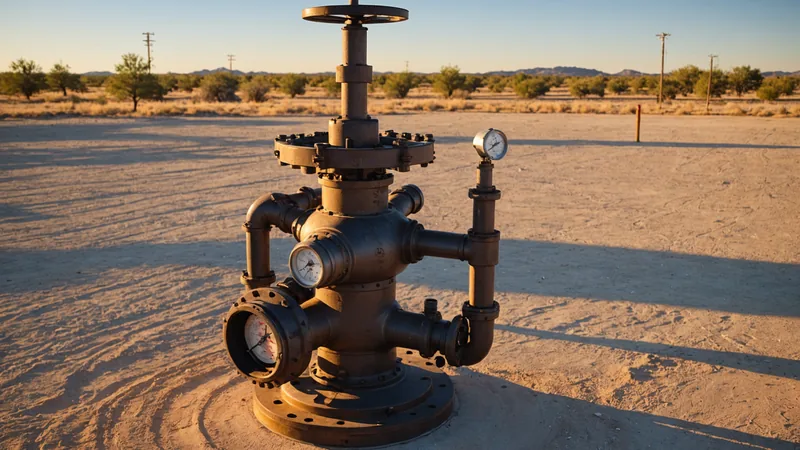
EPA Subpart W Reporting: A Practical Guide for Upstream Operators
Subpart W greenhouse gas reporting requirements have been updated. What data you need to collect and how continuous monitoring simplifies the submission.
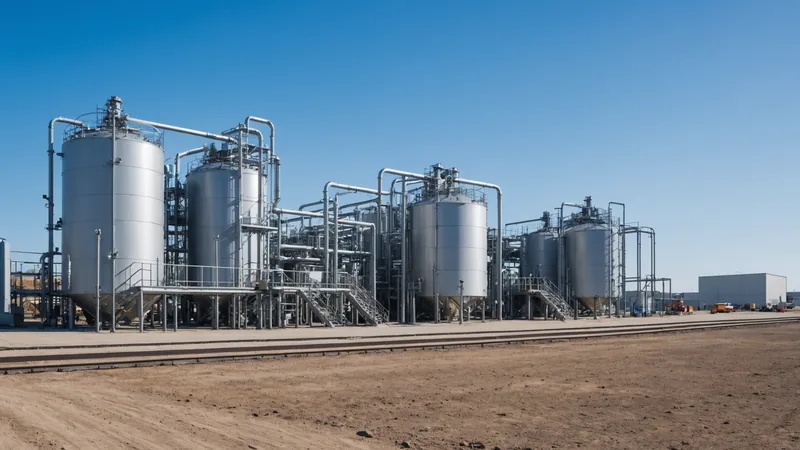
Why Operators Are Switching from Periodic OGI to Continuous Emissions Monitoring
Three midstream operators described the same tipping point: the cost of a single missed event exceeded a year of continuous monitoring subscription.
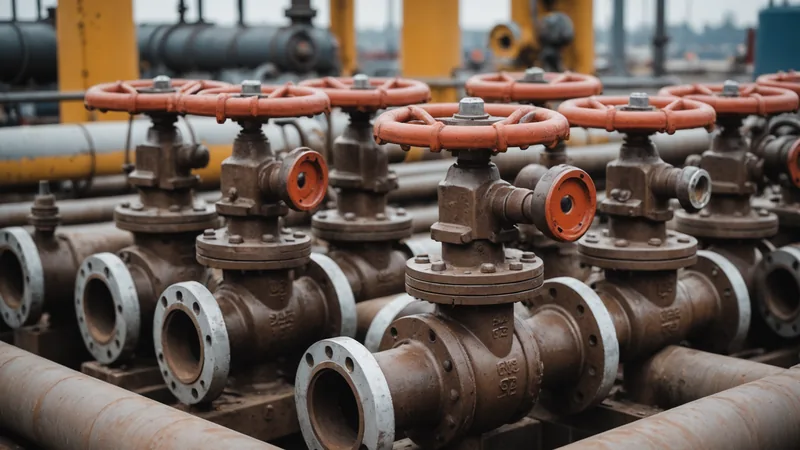
Five Valve Types Responsible for the Majority of Fugitive Emissions
Control valve packing, pressure relief devices, open-ended lines, compressor seals, and sampling connections account for most unplanned emissions.
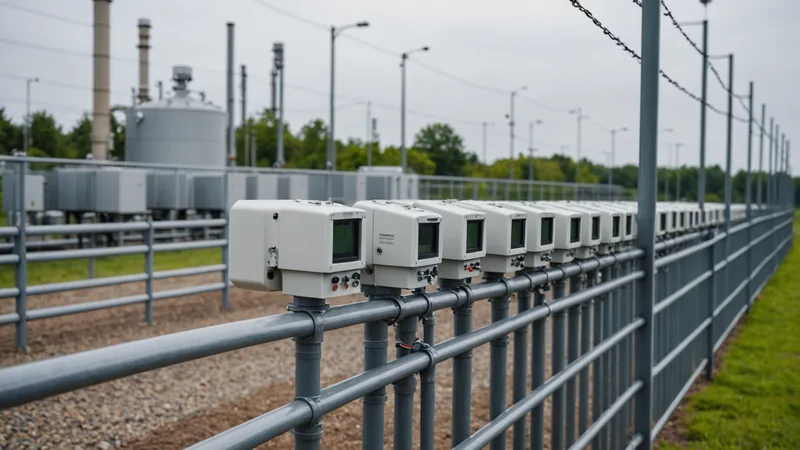
How Aquanta Vision Pins Emissions to a Specific Component
From sensor array signal to component-level source attribution: the signal processing approach we use and why it outperforms radius-only detection.
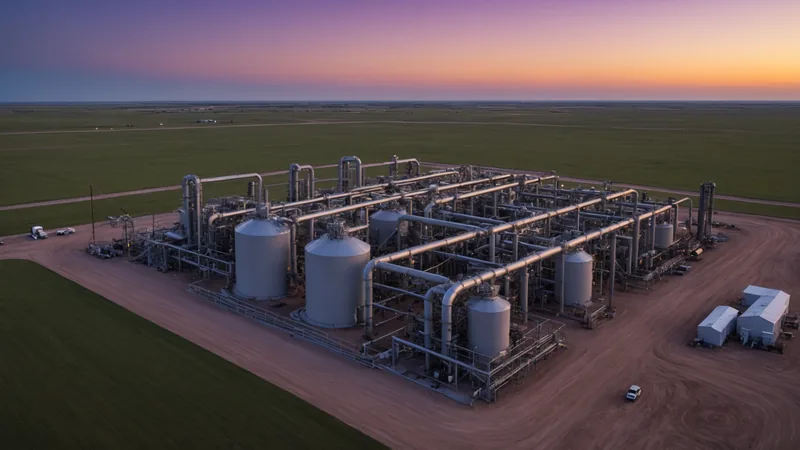
What We Learned From Deploying Sensors at Midstream Sites
Six months of early deployments across gathering and compression sites surfaced three patterns we did not expect going in.
Ready to close the detection gap at your sites?
See how continuous AI monitoring compares to your current LDAR program. No commitment required for an initial consultation.